How to Choose the Right Fiber Optic Transceivers for Your Network Infrastructure

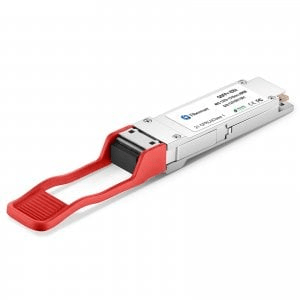
50G QSFP28 fiber optic transceivers

Fiber optic transceivers play a crucial role in converting electrical signals to optical signals and vice versa, enabling data transmission over fiber optic cables. Choosing the right transceivers is essential for optimizing network performance, ensuring compatibility, and maximizing cost-effectiveness.

Experts at Fibermart will walk you through the key factors to consider when selecting fiber optic transceivers to meet your network requirements.

Fiber Optic Transceivers

Fiber optic transceivers are modules that can transmit and receive data over fiber optic cables. They are commonly used in data centers, enterprise networks, telecommunications, and other high-bandwidth applications. Transceivers come in various form factors and types, each designed to meet specific needs in terms of distance, speed, and compatibility.

Recommended Read: How do Fiber optic transceivers work?

Common Types of Fiber Optic Transceivers

SFP (Small Form-factor Pluggable): Used for 1 Gbps Ethernet and Fibre Channel applications.

SFP+ (Enhanced Small Form-factor Pluggable): Supports data rates up to 10 Gbps.

QSFP (Quad Small Form-factor Pluggable): Designed for 40 Gbps Ethernet.

QSFP28: Supports data rates up to 100 Gbps.

CFP (C Form-factor Pluggable): Used for 100 Gbps Ethernet applications.

Key Factors to Consider

Data Rate Requirements

The first step in choosing the right transceiver is understanding your network’s data rate requirements. The data rate refers to the speed at which data is transmitted, measured in Gbps (gigabits per second).

1 Gbps: Suitable for small to medium-sized businesses or less demanding applications.

10 Gbps: Common in enterprise networks and data centers for high-speed connectivity.

40 Gbps and 100 Gbps: Ideal for large-scale data centers and applications requiring ultra-high-speed connections.

Ensure that the transceiver you select matches the data rate requirements of your network equipment.

Explore More: How Will Fiber Optic Transceivers Evolve for Future Data Centers

Distance and Reach

The distance over which data needs to be transmitted is another crucial factor. Fiber optic transceivers are designed to support various transmission distances, from short-range to long-range.

Short-Range (SR): Typically used for distances up to 300 meters, ideal for intra-building connections.

Long-Range (LR): Suitable for distances up to 10 kilometers, used for inter-building connections.

Extended Range (ER) and Very Long Range (ZR): Can support distances up to 40 kilometers or more, used for metropolitan area networks (MAN) and wide area networks (WAN).

Choose a transceiver that can handle the required transmission distance without signal degradation.

Fiber Type

There are two main types of fiber optic cables: single-mode and multi-mode. The type of fiber you use will determine the appropriate transceiver.

Single-Mode Fiber (SMF): Used for long-distance transmission. Single-mode transceivers are typically more expensive but can handle higher bandwidth over longer distances.

Multi-Mode Fiber (MMF): Used for shorter distances due to higher attenuation and dispersion. Multi-mode transceivers are generally more cost-effective for shorter-reach applications.

Ensure compatibility between the transceiver and the type of fiber optic cable in your network.

loopback testing module

Compatibility with Network Equipment

Compatibility with existing network equipment is essential. Most transceivers are designed to be hot-swappable and fit into various network devices such as switches, routers, and servers. However, ensure that the transceiver you choose is compatible with your specific network hardware.

Brand Compatibility: Some manufacturers lock their equipment to work only with their transceivers. Verify compatibility with your equipment manufacturer.

Standards Compliance: Look for transceivers that comply with industry standards like IEEE and MSA (Multi-Source Agreement) to ensure interoperability.

Power Budget    

The power budget is the amount of power available to ensure proper signal transmission over a given distance. It is the difference between the transmitter output power and the receiver sensitivity.

Ensure Adequate Power Budget: The power budget must be sufficient to compensate for any losses due to fiber attenuation, connector losses, and splices.

Environmental Conditions

Consider the environmental conditions where the transceivers will be deployed. Factors such as temperature, humidity, and exposure to elements can impact transceiver performance. If the transceivers will be used in harsh environments, choose industrial-grade models designed to withstand extreme conditions.

Future Scalability

Plan for future growth by selecting transceivers that can scale with your network needs. This includes considering higher data rates, longer distances, and compatibility with newer technologies. Choose transceivers that allow for easy upgrades and scalability to accommodate future network expansion.

Cost Considerations

While cost should not be the sole determining factor, it is important to balance performance and budget. Consider the initial cost of the transceivers and the long-term costs associated with maintenance, power consumption, and potential upgrades.

Customized QSFP+ Loopback


Making the Final Decision


To make an informed decision, it’s helpful
to follow a structured approach:


Assess
Your Network Needs
: Analyze your current network
infrastructure and future requirements. Identify key parameters such as data
rate, distance, fiber type, and environmental conditions.


Research
and Compare
: Research different transceiver options
from reputable manufacturers. Compare specifications, compatibility, and costs.


Test
and Validate
: Before full deployment, test the
chosen transceivers in a controlled environment to ensure they meet your
performance and compatibility requirements.


Consult
Experts
: If needed, consult with network
specialists at Fibermart to gain insights and recommendations based on your
specific use case. By carefully considering factors like speed, fiber type,
compatibility, and environmental conditions, you can ensure optimal data
transmission and avoid potential issues.


We offer a comprehensive range of fiber optic products
and expert support to help you navigate the selection process and choose the
perfect solution for your specific needs. Don’t hesitate to contact our specialists
for personalized guidance and ensure your network operates at peak efficiency.
We’re offering free shipping on orders above $200!

MPO Trunk Cables: The Ultimate Guide to High-Density Fiber Connectivity

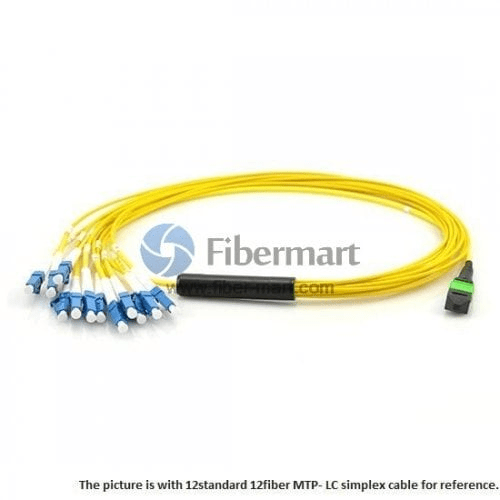
8 Fibers Single-Mode 12 Strands MPO To LC Harness Cable

 As the world generates and consumes more data than ever before, the need for reliable and efficient high-speed data transmission has become paramount.

As data demands continue to grow, traditional fiber optic cabling solutions have reached their limits. MTP/MPO trunk cables represent the next generation of high-density connectivity, offering a significant leap forward in performance and efficiency.

From bulky and complex cabling systems to sleek and efficient MPO trunk cables, the landscape of high-density fiber connectivity is undergoing a significant transformation.

What are MPO Trunk Cables?

Multi-Fiber Push-On (MPO) trunk cables are high-density fiber optic cables pre-terminated with MPO connectors. The connectors allow for the termination of multiple fibers (typically 12, 24, 48, or 72) within a single connector, significantly increasing fiber density compared to traditional single-fiber connectors. MPO trunk cables are designed to support the rapid growth of data traffic and the need for scalable, efficient, and reliable network infrastructure.

Recommended Read: How to choose MPO/MTP Cable Polarity

Key Features of MPO Trunk Cables

High Fiber Count

MPO connectors can accommodate a large number of individual fibers within a single connector, typically ranging from 4 to 72 fibers.

This significantly increases the fiber count in a single cable, leading to:

Space Efficiency: MPO cables can replace multiple traditional single-fiber or duplex LC connectors, saving valuable space in data centers and network cabinets.

Reduced Cable Management: Fewer cables are needed to achieve the same number of connections, simplifying cable management and improving airflow within the infrastructure.

Push-Pull Termination

MPO connectors utilize a convenient push-pull mechanism for easy and secure connection and disconnection.

This simplifies installation and maintenance compared to traditional screw-on or snap-on connectors, saving time and effort.

The push-pull design also minimizes the risk of accidental disconnection, ensuring reliable connections.

Ribbon Cables

MPO trunk cables typically use ribbon cables, where multiple fibers are held together in a flat array.

This further enhances space efficiency and simplifies cable management compared to round cables.

Ribbon cables are also easier to route and bend, making them suitable for tight spaces within cabinets and racks.

Low Insertion Loss and High Performance

MPO connectors are designed for low insertion loss and high return loss, ensuring optimal signal transmission and minimizing signal degradation.

This translates to:

High Bandwidth: MPO cables can support high-speed data transmission, making them ideal for demanding applications like 40G, 100G, and 400G networks.

Reliable Performance: Low insertion loss ensures minimal signal loss and maintains signal integrity over long distances.

Scalability

MPO trunk cables offer a scalable solution for data center and network infrastructure.

By adding additional MPO cassettes or breakout modules, the number of connections can be easily expanded to meet growing bandwidth demands.

This flexibility allows for future-proofing the network infrastructure without requiring significant changes to the existing cabling.

12 Fibers Single-Mode 12 Strands MPO Trunk Cable

Best Practices for Deploying MPO Trunk Cables

Choose the right cable type: Select MPO trunk cables with the appropriate fiber count, connector type, and cable length to meet your specific network requirements.

Properly clean and inspect connectors: Ensure that MPO connectors are clean and free of dust or debris before installation to avoid signal loss and potential damage.

Follow proper installation procedures: Use the correct tools and techniques for handling and terminating MPO cables to ensure reliable connections.

Label and document cables: Clearly label and document MPO cables for easy identification and maintenance.

Use high-quality MPO cables and components: Invest in high-quality MPO cables and components from reputable manufacturers to ensure optimal performance and reliability.

Fibermart offers a comprehensive range of high-quality MPO trunk cables, connectors, and accessories to meet your specific needs. From space-saving solutions to high-performance connections, their experts will guide you every step of the way.

Schedule a consultation to discuss your project and discover how advanced fiber optic solutions can revolutionize your network infrastructure.

Streamlining Fiber Optic Networks with Fiber Fast Connectors

In the rapidly evolving world of telecommunications, the Fiber Fast Connector has become an essential component for efficient and reliable fiber optic network installations. These connectors are designed to simplify the process of connecting optical fibers, significantly reducing the time and skill required for fiber optic terminations. This article will explore the key features of fiber fast connectors, their various types, and their significant applications in modern communication systems.

Key Features of Fiber Fast Connectors

  1. Ease of Installation One of the most notable features of fiber fast connectors is their ease of installation. These connectors are designed for quick and straightforward assembly, eliminating the need for specialized tools or extensive training. This makes them ideal for on-site installations and emergency repairs.
  2. High Performance Despite their simple installation process, fiber fast connectors do not compromise on performance. They offer low insertion loss and high return loss, ensuring that the signal integrity is maintained. This high performance is crucial for applications requiring high-speed data transmission and minimal signal degradation.
  3. Versatility Fiber fast connectors are available in various types, including SC, LC, ST, and FC, making them compatible with different fiber optic systems. This versatility allows them to be used in a wide range of applications, from residential broadband connections to large-scale data centers.
  4. Cost-Effective The simplicity of fiber fast connectors translates to cost savings. By reducing the need for skilled labor and expensive tools, these connectors offer a more economical solution for fiber optic terminations. This cost-effectiveness is particularly beneficial for large-scale deployments where the savings can be substantial.
  5. Durability Fiber fast connectors are built to withstand harsh environmental conditions, including temperature variations, humidity, and physical stress. Their robust design ensures long-term reliability and minimal maintenance, making them suitable for both indoor and outdoor installations.

Types of Fiber Fast Connectors

  1. SC Fiber Fast Connectors SC connectors are known for their push-pull mechanism, which provides a secure and reliable connection. They are widely used in data centers, telecommunications, and cable television networks.
  2. LC Fiber Fast Connectors LC connectors are smaller in size compared to SC connectors, making them ideal for high-density applications. They are commonly used in fiber optic networks where space is a constraint, such as in data centers and enterprise networks.
  3. ST Fiber Fast Connectors ST connectors feature a bayonet-style coupling mechanism, ensuring a stable and secure connection. They are often used in industrial applications and military communications due to their robust design.
  4. FC Fiber Fast Connectors FC connectors are designed with a threaded coupling mechanism, providing a secure and vibration-resistant connection. They are typically used in high-vibration environments, such as in aerospace and military applications.

Applications of Fiber Fast Connectors

  1. Data Centers In data centers, the demand for high-speed and reliable connections is paramount. Fiber fast connectors facilitate quick and efficient installations, allowing for rapid deployment and scalability. Their high performance ensures that data transmission is fast and error-free, supporting the critical operations of data centers.
  2. Telecommunications The telecommunications industry relies heavily on fiber optic networks to deliver high-speed internet, voice, and video services. Fiber fast connectors are used to connect various components of the network, ensuring seamless communication and minimal downtime.
  3. Residential Broadband Fiber to the Home (FTTH) deployments benefit significantly from fiber fast connectors. These connectors simplify the installation process, making it possible to quickly connect homes to high-speed fiber optic networks. This ease of installation reduces costs and accelerates the rollout of broadband services.
  4. Industrial Networks In industrial environments, reliable communication networks are essential for automation and control systems. Fiber fast connectors provide durable and high-performance connections, ensuring that critical data is transmitted without interruption.
  5. Military and Aerospace The robust design of fiber fast connectors makes them suitable for military and aerospace applications. These connectors can withstand extreme conditions, ensuring reliable communication in mission-critical scenarios.

Conclusion

The Fiber Fast Connector is a pivotal technology in the realm of fiber optic communications, offering unparalleled ease of installation, high performance, versatility, cost-effectiveness, and durability. These connectors are indispensable in a variety of applications, including data centers, telecommunications, residential broadband, industrial networks, and military and aerospace environments. As the demand for high-speed and reliable communication networks continues to grow, fiber fast connectors will play a crucial role in meeting these needs efficiently and effectively.

How to Troubleshoot Common Issues with Polarization Maintaining Fiber Splitters

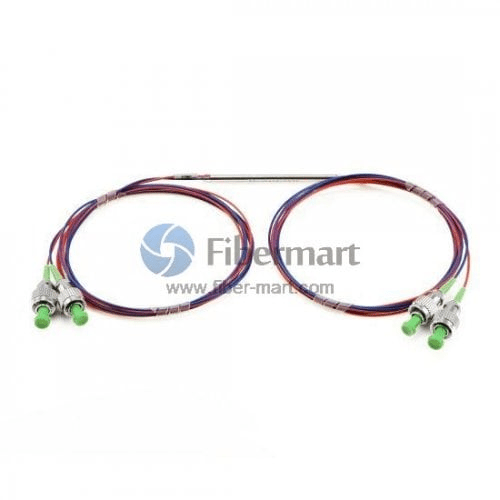
Polarization Maintaining FBT Coupler Splitter

Polarization Maintaining (PM) fiber splitters are critical components in various high-precision optical systems, particularly those involving coherent light. These devices ensure that the state of polarization (SOP) of the light is preserved while splitting the optical signal.

However, like any sophisticated technology, PM fiber splitters can encounter issues that impact their performance. Understanding and troubleshooting these common issues can help maintain the integrity of your optical systems and ensure optimal functionality.

PM Fiber Splitters: Basic Principles PM fiber splitters are designed to maintain the polarization state of the input light, meaning they separate the light into two orthogonal polarization modes (usually X and Y) and direct them to different output ports. This is achieved by incorporating a stress-inducing mechanism within the fiber core, typically through elliptical shaping or doping with birefringent materials.

Common Issues and Troubleshooting

Insertion Loss

Problem: High insertion loss indicates a significant portion of the input signal is lost within the splitter. This can degrade the overall system performance.

Troubleshooting

Check for contamination: Clean the connector ends of the input and output fibers with alcohol wipes to remove dust or debris.

Verify connector alignment: Ensure proper alignment of the fiber connectors with the splitter ports. Misalignment can lead to significant insertion loss.

Inspect for fiber damage: Examine the fibers for any scratches, cracks, or bends, as these can cause signal attenuation.

Consider aging: If the splitter is old, the performance may naturally degrade over time.

Polarization Extinction Ratio (PER)

Problem: Low PER indicates the splitter is not effectively separating the two polarization modes. This can lead to signal mixing and reduced system sensitivity.

Troubleshooting

Check for stress on the fibers: Excessive stress on the input or output fibers can affect the polarization state of the light.

Verify temperature stability: Ensure the operating temperature of the splitter is within the specified range. Temperature fluctuations can impact PER.

Consider wavelength compatibility: Ensure the splitter is designed for the specific wavelength of the input light. Using an incompatible wavelength can lead to reduced PER.

Crosstalk

Problem: Crosstalk occurs when light from one polarization mode leaks into the other output port. This can cause signal interference and degrade system performance.

Troubleshooting

Check for misalignment: Ensure proper alignment of the fiber connectors with the splitter ports.

Verify connector cleanliness: Clean the connector ends to remove any contaminants that might be causing scattering.

Consider splitter quality: Low-quality splitters may have inherent crosstalk issues.

Back-reflection

Problem: Back reflection occurs when a portion of the input light reflects back into the source. This can cause unwanted noise and instability in the system.

Troubleshooting

Check for connector quality: Ensure the connectors are clean and have good surface quality. Poor connector quality can lead to back-reflection.

Use angled connectors: Angled connectors can significantly reduce back-reflection compared to flat-faced connectors.

Consider isolators: Optical isolators can be used to block back-reflection and improve system stability.

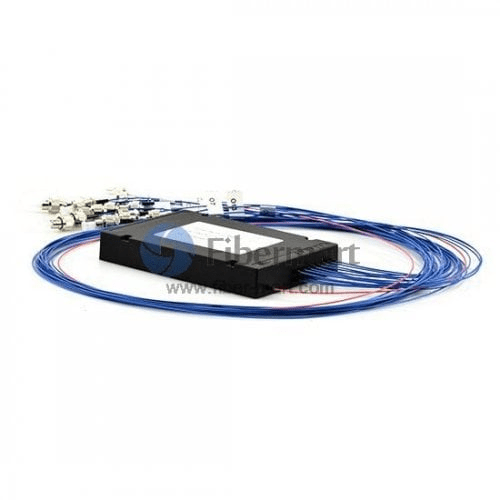
 Polarization Maintaining PLC Splitter Slow Axis W/ ABS Box

Additional Tips

Consult the manufacturer’s datasheet: Always refer to the specific datasheet of your PM fiber splitter for detailed specifications and troubleshooting guidance.

Controlled Environment: Maintain a stable environment with controlled temperature, humidity, and minimal physical vibrations.

Proper Handling: Handle PM fibers and splitters with care to avoid physical stress and damage. Use appropriate fiber management systems to prevent excessive bending or twisting.

Periodic Testing: Use polarization analyzers, optical time-domain reflectometers (OTDR), and other diagnostic tools to regularly test the performance of your PM fiber splitters.

Documentation and Tracking: Keep detailed records of all maintenance activities, test results, and any issues encountered. This can help in identifying patterns and preemptively addressing potential problems.

Use high-quality components: Invest in high-quality PM fiber, connectors, and other components to minimize potential issues. If the problem persists, seek assistance from a qualified optic technician at Fibermart.

The fiber optic cables and solutions provider offers a wide range of PM fiber splitters and other products designed to meet your specific needs. With expert support and troubleshooting guidance, you can confidently choose the right splitter and maintain its optimal performance.

Call now.

Fiber Patch Cords: The Backbone of Modern Data and Telecommunication Networks

In the realm of telecommunications and data networking, the fiber patch cord is an essential component. These cords, often referred to as fiber jumpers or fiber patch cables, are used to connect optical devices and ensure efficient data transmission. They play a critical role in network infrastructure, from data centers to enterprise networks. This article delves into the features and applications of fiber patch cords, highlighting their importance in modern communication systems.

Key Features of Fiber Patch Cords

  1. High Performance and Reliability Fiber patch cords are designed for high performance, offering low insertion loss and high return loss. These features ensure that data transmission is both fast and reliable, with minimal signal degradation. The high-quality connectors and polished end faces of fiber patch cords contribute significantly to their excellent performance.
  2. Variety of Types and Connectors Fiber patch cords come in various types, including single-mode and multimode options, catering to different distance and bandwidth requirements. Single-mode fiber patch cords are ideal for long-distance communication, while multimode fibers are suitable for shorter distances. Additionally, these cords are available with different types of connectors, such as LC, SC, ST, and MTP/MPO, to match specific networking needs.
  3. Durability and Flexibility Constructed with durable materials, fiber patch cords are built to withstand physical stress and environmental factors. They often feature ruggedized jackets that protect the fibers from damage due to bending, pulling, or environmental exposure. This durability ensures a long service life, making them a cost-effective choice for network infrastructure.
  4. Ease of Installation Fiber patch cords are user-friendly, allowing for easy installation and reconfiguration in network setups. Their plug-and-play design simplifies the process of connecting and disconnecting devices, which is especially beneficial in dynamic environments like data centers where configurations frequently change.
  5. Customizable Lengths and Colors To meet diverse networking requirements, fiber patch cords are available in various lengths and colors. Customizable lengths help to minimize excess cabling and reduce clutter, improving airflow and cooling in data centers. The use of different colors aids in easy identification and management of connections.

Applications of Fiber Patch Cords

  1. Data Centers In data centers, fiber patch cords are used to connect servers, switches, and storage systems, forming the backbone of the data infrastructure. They ensure high-speed data transmission, which is crucial for handling the vast amounts of data processed in these environments. The flexibility and ease of use of fiber patch cords make them ideal for the dense and dynamic settings of data centers.
  2. Telecommunications Networks Fiber patch cords are fundamental in telecommunications networks, connecting various optical devices and facilitating long-distance communication. They are used in central offices, distribution hubs, and customer premises to ensure seamless data flow and reliable internet, voice, and video services.
  3. Enterprise Networks In enterprise environments, fiber patch cords connect different segments of the network, such as workstations, servers, and networking equipment. They support high-speed data transfer within and between office buildings, enhancing communication efficiency and productivity.
  4. Industrial Applications Fiber patch cords are also used in industrial settings, where robust and reliable data communication is required. They connect control systems, monitoring devices, and automation equipment, ensuring real-time data exchange and process control. Their durability makes them suitable for harsh industrial environments.
  5. Broadcast and Media In the broadcast and media industry, fiber patch cords are used to transmit high-definition video and audio signals. They ensure high-quality signal transmission over long distances, which is essential for live broadcasts and media production.

Conclusion

The fiber patch cord is a vital component in modern networking, providing high performance, reliability, and flexibility. Its various features, including different types and connectors, durability, and ease of installation, make it suitable for a wide range of applications, from data centers and telecommunications to enterprise networks and industrial settings. By integrating fiber patch cords into their infrastructure, organizations can achieve efficient, scalable, and reliable connectivity, driving operational efficiency and innovation. As the demand for high-speed data transmission continues to grow, the importance of fiber patch cords in supporting advanced communication networks remains significant.

Optimizing Network Efficiency with High-Performance Fiber Trunk Cables

In today’s high-speed, data-driven world, fiber trunk cables have become an indispensable component in telecommunications and data management. These cables are crucial for establishing high-capacity, efficient data transmission pathways that link various parts of data centers and telecommunication networks. By bundling multiple fiber optic strands into a single, durable sheath, fiber trunk cables optimize space and simplify installation. This article delves into the key features and applications of fiber trunk cables, highlighting their critical importance in modern networking infrastructure.

Key Features of Fiber Trunk Cables

  1. High-Density Connectivity Fiber trunk cables provide the advantage of high-density connectivity, allowing multiple fibers to be consolidated into a single cable. This significantly reduces clutter and complexity in network installations, which is particularly beneficial in data centers where space efficiency is paramount. High-density cables streamline the physical layout, making it easier to manage and maintain the network infrastructure while ensuring scalability for future expansion.
  2. Superior Performance Designed for high-speed data transmission, fiber trunk cables offer exceptional performance with minimal signal loss over long distances. These cables exhibit low attenuation and high return loss, which preserves the quality of the transmitted signal. This reliability is essential for supporting bandwidth-intensive applications such as cloud computing, video streaming, and large-scale data transfers.
  3. Durability and Environmental Resilience Fiber trunk cables are built to withstand various environmental conditions, including temperature fluctuations, moisture, and physical stress. Their robust outer jackets and protective layers ensure long-term stability and performance. Many fiber trunk cables feature bend-insensitive fibers, which allow them to be routed around tight corners and through constrained spaces without compromising signal integrity, enhancing their versatility and resilience.
  4. Versatile Configurations Fiber trunk cables come in various configurations to meet different networking needs. They are available in single-mode and multimode versions, catering to different transmission distance requirements. Single-mode fiber trunk cables are designed for long-distance communication, typically used in telecommunication networks and data center interconnects. In contrast, multimode fiber trunk cables are suitable for shorter distances, such as within a single data center or campus network, providing cost-effective solutions for high-speed local connectivity.

Applications of Fiber Trunk Cables

  1. Data Centers In data centers, fiber trunk cables are essential for establishing connections between core switches, aggregation switches, and access switches, forming the backbone of the network. They ensure fast and reliable data flow between different parts of the data center, supporting critical applications and services. Additionally, fiber trunk cables enable efficient cross-connects between different racks and rows, facilitating organized and scalable network expansions.
  2. Telecommunications Fiber trunk cables are employed to link central offices, distribution hubs, and customer premises, forming the backbone of wide-area networks (WANs). This infrastructure is vital for delivering high-speed internet, voice, and video services to residential and commercial users. The high capacity and reliability of fiber trunk cables make them ideal for handling the ever-increasing data demands of modern communication networks.
  3. Enterprise Networks In enterprise networks, fiber trunk cables connect different buildings within a campus or link multiple floors within a large office complex. This connectivity ensures seamless communication and data exchange between various departments and offices, enhancing overall operational efficiency and productivity.
  4. Industrial Applications In industrial environments, fiber trunk cables are used to connect control systems, machinery, and monitoring devices, supporting real-time data communication and automation processes. Their robustness and reliability are crucial for maintaining efficient and reliable industrial operations, even in harsh conditions.

Conclusion

The fiber trunk cable is a vital element of modern networking infrastructure, offering high-density connections, superior performance, and exceptional durability. These attributes make fiber trunk cables suitable for a wide range of applications, from data centers and telecommunications to enterprise networks and industrial automation. By integrating fiber trunk cables into their infrastructure, organizations can achieve efficient, scalable, and reliable connectivity, driving productivity and innovation. As the demand for high-speed data transmission continues to grow, the importance of fiber trunk cables in supporting advanced communication networks cannot be overstated.